If you’ve ever waited in traffic close to The Range and B&M in Burnley (and let’s face it, we all have), you may have noticed the huge new advertising screen. But did you know the screen is fixed to the building of a British textile manufacturer, that’s been flying the flag for Burnley for 150 years?
John Spencer Textiles has made quality woven textiles since 1871. John Spencer was a farmer in Briercliffe who came to Burnley as a weaver before setting up as a grocer in Finsley Gate. His son John worked in Clifton Mill and ended up becoming the manager at 21. The two Johns and brother James set up a weaving business in 1871, moving into Trafalgar Mill under the Room and Power initiative.
Room and Power is where weavers could rent looms at a mill, using the power of the mill’s steam engine. (Interesting fact: Room + Power is the brand name of the new flexible working space at Padiham Town Hall. If you’re interested in taking space, please contact info@burnley.co.uk)
After becoming too large for Trafalgar Mill, the Spencers moved into their current location at Ashfield Mill, as well as taking on looms in other mills. By 1913, and after building another mill in Rosegrove, they managed 2,442 looms.
The business was handed down the generations and is currently held by David Collinge, who shares a different surname as his father took over the business from his uncle.
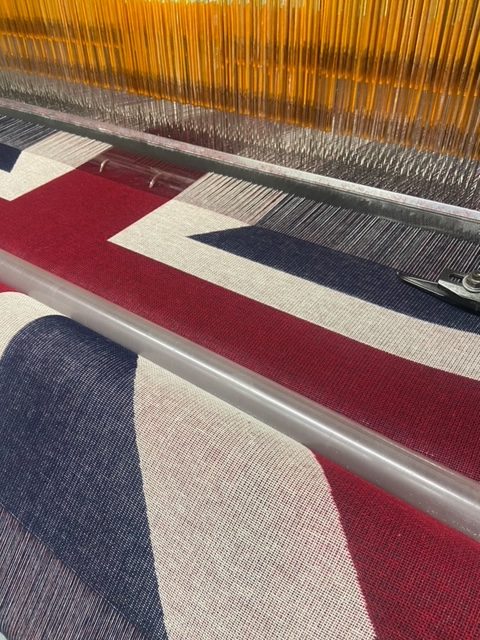
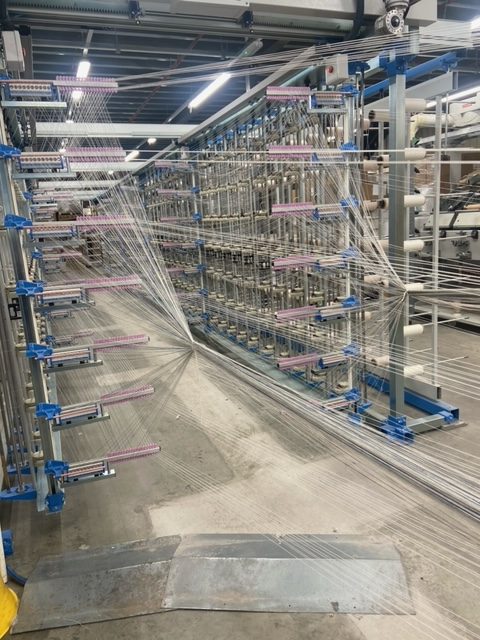
Burnley.co.uk was privileged to have a tour of the mill which, despite its rich heritage, has embraced technology and has quite the set-up. The scale of the machinery is incredible and the techniques impressive. Alongside the machinery, highly-skilled craftspeople design the fabrics and should a thread break, they do a hand-tied special weaver’s knot to fix the problem.

John Spencer Textiles David Collinge

Rich in history, but relevant in a modern world
“We don’t stand still here, online sales increased by 250 per cent during the pandemic. As a business, you have to adapt. We’re fortunate in that everything is made on site, and as a British manufacturer, we could help our customers navigate the business issues that resulted from Brexit.
“We have over 50 employees and when you buy from us, you’re buying from a business where Burnley people are making the products. I think transparency of supply chains is a key issue at the moment and we’re proud of the local talent pool we have. We also train apprentices in-house as weaving and sewing are truly specialist skills. The support we give our staff, and the family environment means we have a very low employee turnover,” chairman David Collinge told us.
As we’ve all seen from the pandemic, home interiors and DIY boomed, a big reason why sales shot up. But incredibly, we learnt on our visit that textiles form the backbone of filtration, engineering, parachutes, F1 cars, Boeing 757’s, wind turbine blades…the list is endless.
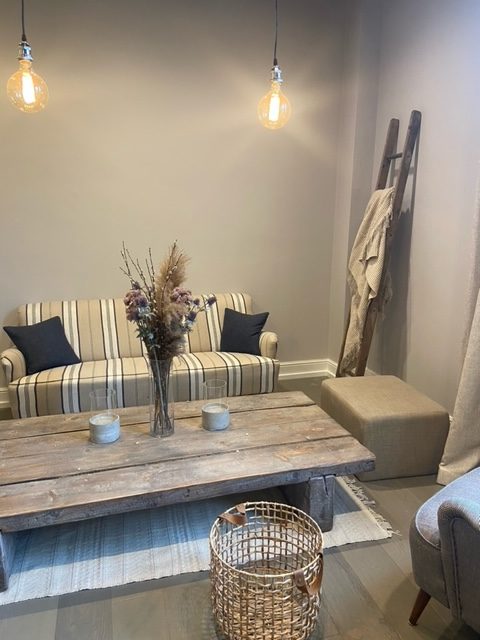
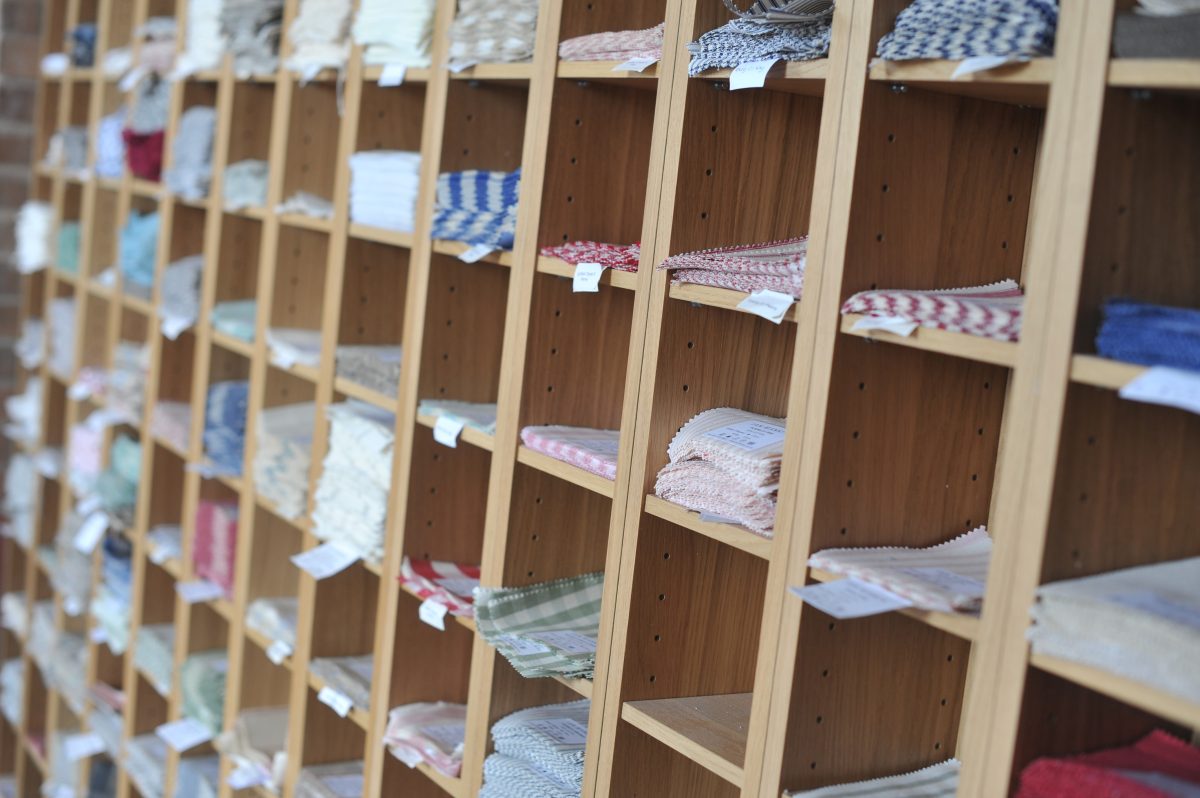
As well as the big name of John Spencer, you may have heard of Ian Mankin. This textile brand has showrooms in London and is actually a sister brand to John Spencer. It regularly features in home magazines, so where does that brand fit into the Burnley story?
“Ian Mankin was my first customer; he was selling furnishing fabrics in London. When he told me he wanted to retire, I took the opportunity, and we purchased the business in 2008. It made sense and it’s amazing to think there are showrooms in London and around the world, filled with fabrics that are made right here in Burnley,” David said.
They release one Ian Mankin collection a year, which are incredibly well received in the interiors press. But David is keen to make sure that the business still looks at ways to evolve, and one big agenda is the green one.
“The textile industry can get a bad rep for how energy intensive it can be, and John Spencer has a responsibility to lessen any impact. We do several things, such as donating leftover fabrics to charities to make bunting or children’s toys, and we partner with Burnley College to provide fabrics for their textiles students. Cushion cover pads are often made from leftover textiles or recycled plastic bottles,” David explained.
It’s certainly an incredible achievement to have been going for 150 years AND to have see business boom over the past two years. So, next time you’re waiting for that red light to turn green, you’ll know exactly what lies behind the big screen!