Every two years, the British Textile Biennial host a major contemporary art and design festival celebrating the rich history and global significance of textiles. For the 2025 event, the Biennial collaborated with internationally renowned artist and designer Aitor Throup to present From The Moor, a landmark retrospective spanning 22 years of his creative career. The exhibition was held in Burnley and marked Throup’s first retrospective, reflecting deeply on the borough’s influence on his life and work.
Burnley.co.uk were thrilled to be invited to experience the exhibition first hand and to speak with Aitor about why he chose to bring this milestone show to Burnley and how the borough shaped his distinctive design journey.
Throup doesn’t just remember Burnley. He reimagines it as the place where his creative identity was shaped through contradiction, tension, and what he calls “a paradox of alienation and belonging.”
He moved to Burnley at the age of eleven, after relocating from his hometown of Buenos Aires to Madrid and then to East Lancashire. The transition from vibrant capital cities to a small northern town was not just geographical. It was intense, emotional, and deeply personal. He did not speak English. He felt isolated. He experienced racism and ethnic marginalisation. Football club culture offered a sense of community, but even that was complicated. He felt part of something, but also outside of it. In Buenos Aires and Madrid, it had been either too expensive or too dangerous to find that kind of belonging through football. In Burnley, he found it and didn’t. That contradiction planted the seed for the work he does today.
His retrospective exhibition, From the Moor, is a 22-year journey through the ideas and creative evolution that emerged from that experience. It explores the tension between being inside and outside, between feeling embraced and excluded. The Burnley Empire, selected by the British Biennial, reflects the rawness and unresolved beauty of those themes. When first shown the building, Throup questioned how it could possibly work. That uncertainty became part of the process. It became part of the art.
The title From the Moor is drawn from a Burnley fan chant, but its meaning runs deeper. The word “Moor” historically refers to a person of colour, a non-native outsider who entered Europe through the southern tip of Spain. For Throup, it is a word that reflects his own experience. He stood on the terraces at Turf Moor and felt both seen and invisible. He was embraced and excluded. He belonged and he did not. That duality is central to the exhibition. It is not just about visual storytelling. It is about identity, geography, history and the emotional architecture of growing up in a place that both welcomes and resists.
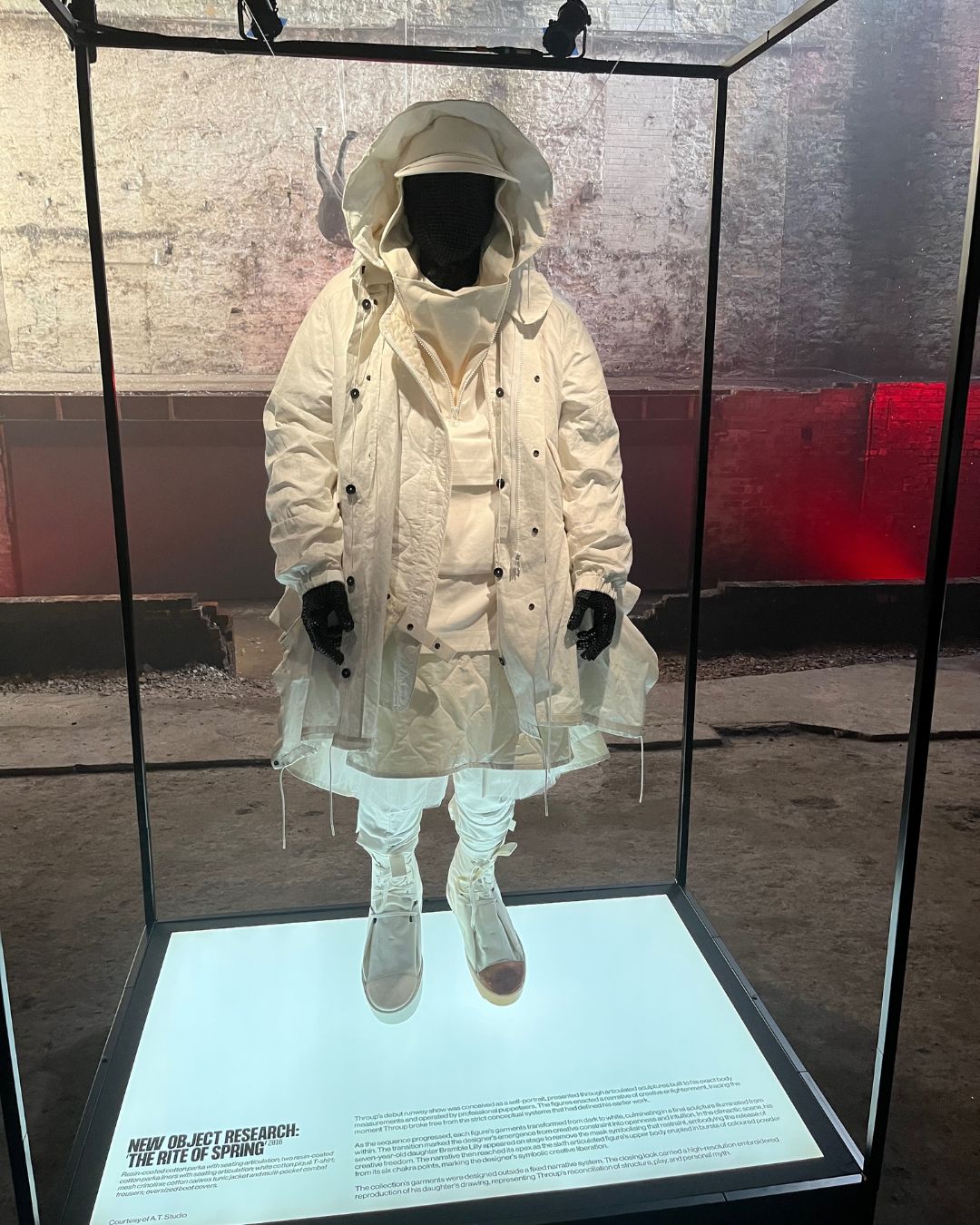

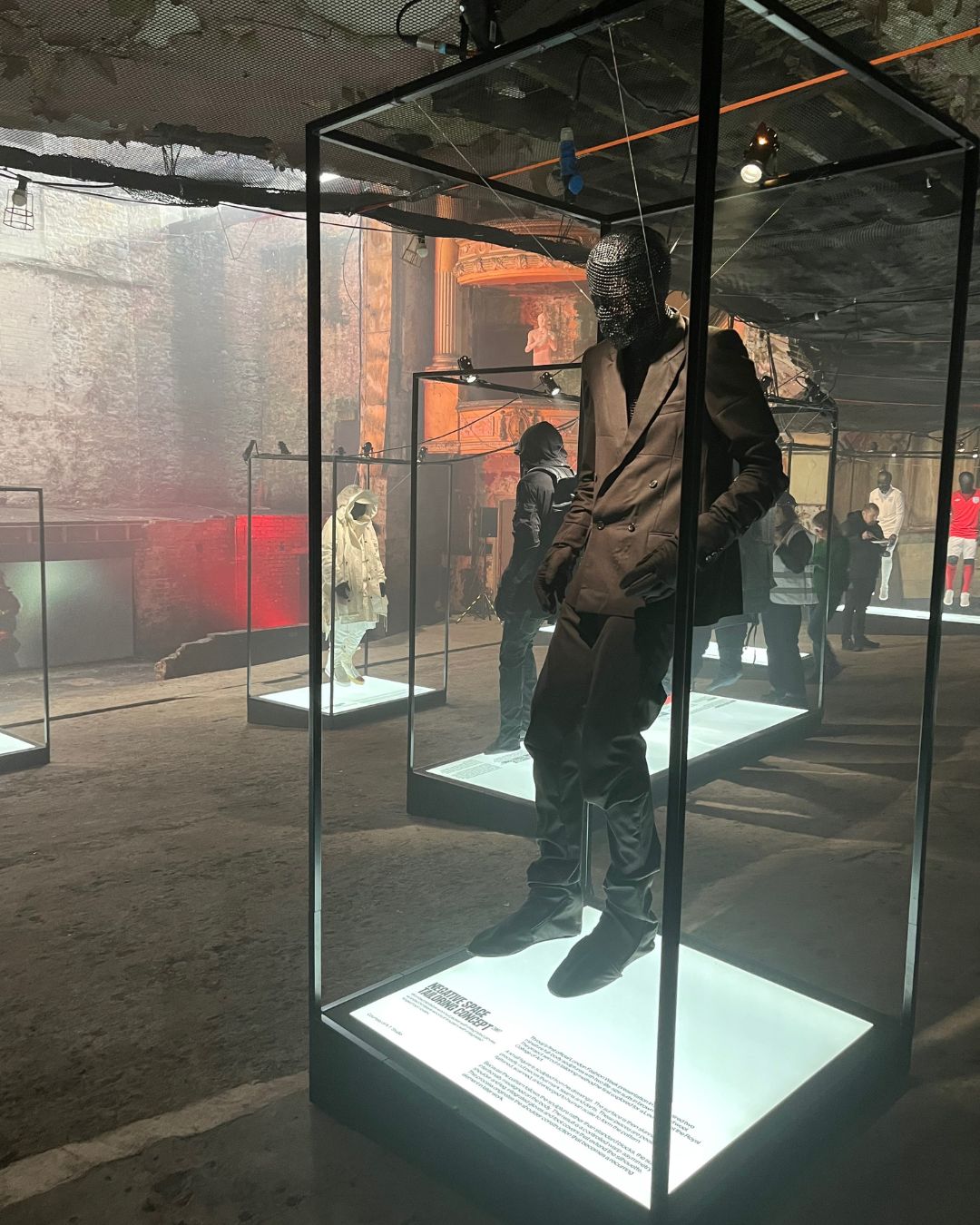
The sound of Burnley runs through the exhibition. Rodaidh McDonald, a GRAMMY-nominated producer based in Los Angeles, created three immersive soundscapes for From the Moor. He layered Throup’s narrative with sonic detail and atmosphere, including real audio of Burnley FC fans chanting at Turf Moor. These sounds are not background. They are part of the story, rooted in the town’s voice and energy, and they carry the emotional weight that defines the work.
Throup’s message to Burnley is rooted not in vague hope or distant potential but in unwavering conviction. He does not view possibility as something abstract or out of reach. Instead, he treats it as a responsibility a challenge to prove that the impossible can be done. Having lived in multiple countries, he has seen what the world looks like at its most ambitious, and he holds himself to that level because he knows it is achievable. His experience working with some of the most respected artists and brands in the world has shaped a standard that he now brings home. He does not pursue excellence to impress others. He does it to “reset the bar” and to demonstrate that the highest level of creativity does not need to happen elsewhere. It can happen here.
This exhibition is built on that belief. It is a statement of intent, a call to raise expectations and to think bigger. Throup aligns himself with the highest level of quality and sees no reason why Burnley should settle for anything less. His message is clear and direct. Let’s do the best thing in the world right here in Burnley. As a child, he often felt backed into a corner, but having already lived in two countries, he understood that the world was much larger than the one immediately around him. Through this work, he wants to reflect that sense of scale and possibility, helping the people of Burnley imagine that anything is achievable when you refuse to limit your thinking.

The most personal and emotionally significant piece in the exhibition is The Funeral of New Orleans. It is a symbolic procession, a visual eulogy for a city devastated by Hurricane Katrina. The work responds to the loss of Black lives due to systemic neglect and uses the New Orleans jazz funeral tradition, a blend of mourning and celebration, as a metaphor for cultural resilience. It features heavy brass instruments suspended in two parts, each protected by custom covers designed by Throup using his own patented cuts, including one for the saxophone. The piece explores the tension between preserving musical heritage and preserving the human life that carries it. In one version of the story, the musician sacrifices himself to save the instrument. In another, he protects himself instead. It becomes a debate about what should be saved and why. “It’s about fighting evil with good,” Throup says. It is a message of hope, celebrating the achievements of the Black community while confronting the realities of systemic racism. On a technical level, it is the most complex piece he has ever created.
The turning point in Throup’s journey came immediately after he graduated from his master’s degree. He was offered the chance to work with some of his favourite brands, and that moment marked the beginning of everything that followed. Years earlier, he had worked at Originals, a small store in Burnley that sold labels like CP Company and Stone Island. These were the same brands worn on football terraces and the same ones he would later collaborate with. To go from selling them to working with them was more than a milestone. It was a confirmation of what he had always believed. He was meant to do this, and excellence was never out of reach.
When speaking with Burnley.co.uk Aitor’s advice to young creatives from small towns is clear: “Don’t set any boundaries for yourself. Be ambitious. Your thinking is not your limitation because there’s no such thing as limitations.”