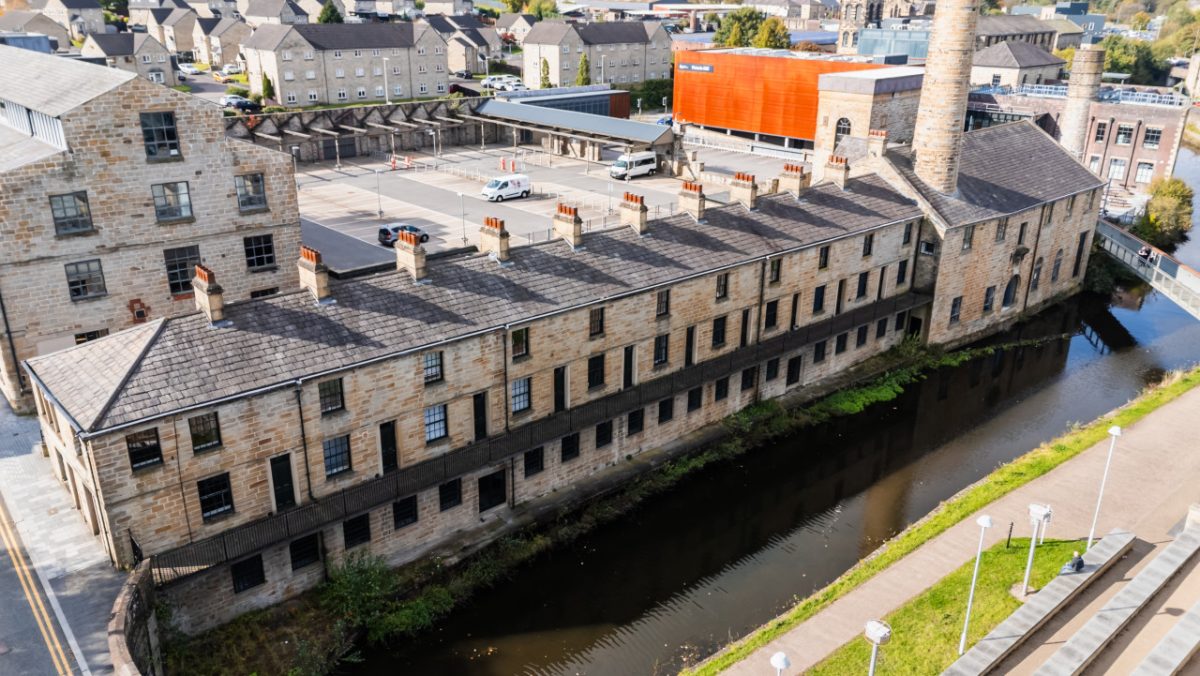
This month, a delegation of Burnley Bondholders will make its way to Westminster for a reception bringing together business leaders, parliamentarians, ministers and senior civil servants. It is not a ceremonial visit, nor a political gesture. It is a statement of intent from a place that understands its economic value and is ready to play a bigger role in the UK’s growth story.
Burnley is sometimes spoken about through the lens of the past. Our purpose in coming to Westminster is to demonstrate the present and make our case for the future.
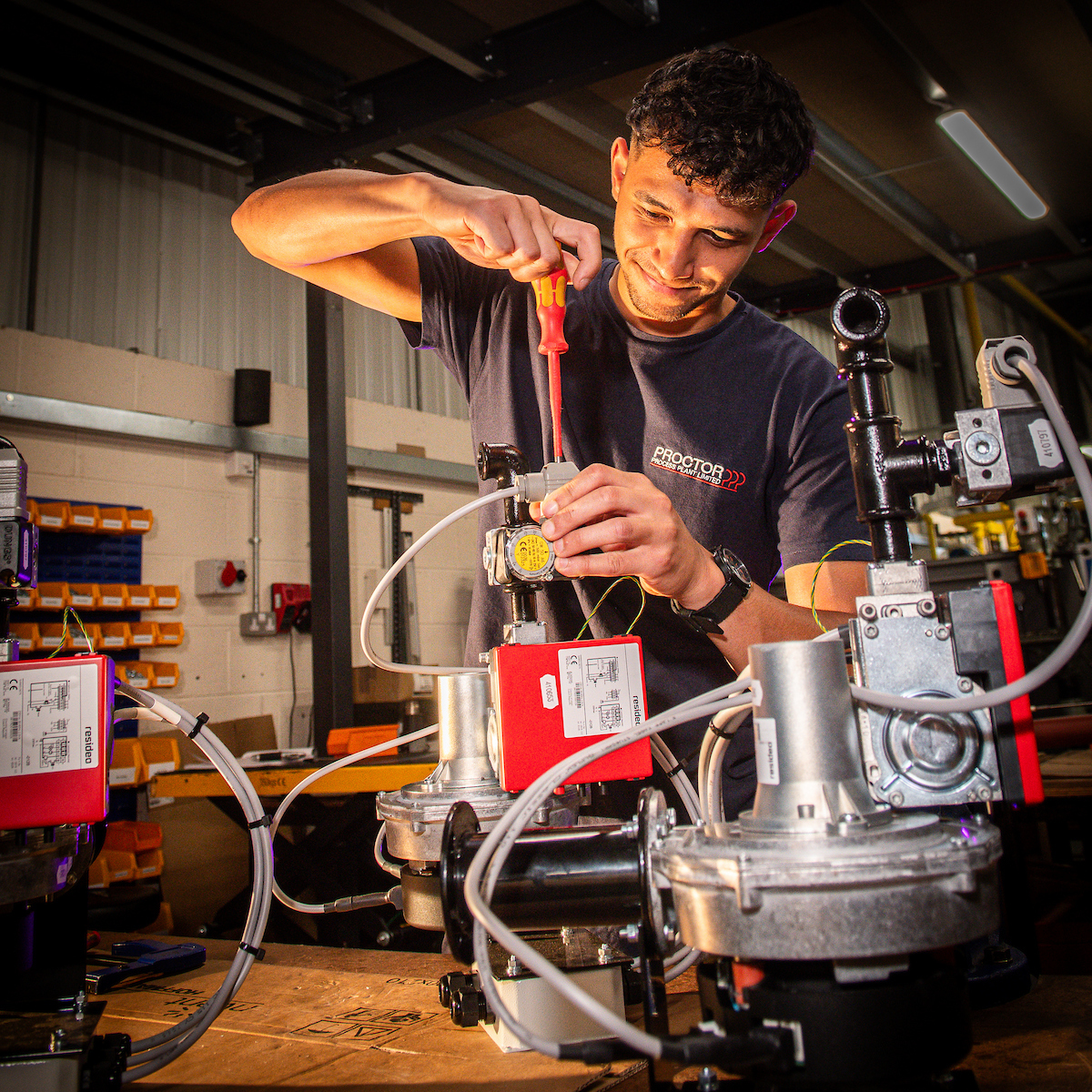
The Burnley Bondholders represent around 200 businesses drawn from advanced manufacturing, engineering, family-owned firms, digital technology, retail, hospitality and education. Together, they form the backbone of a local economy that consistently punches above its weight. Manufacturing and engineering alone account for 16 per cent of all employment, making Burnley one of the most manufacturing-intensive local economies in the country. In fact, Burnley ranks first in the UK for the proportion of its industry made up by manufacturing.
That matters nationally. At a time when productivity, exports and resilience dominate the economic conversation, places like Burnley are not peripheral; they are central.
Burnley means business for the UK and beyond
Our agenda at Westminster is deliberately practical. Alongside a showcase exhibition of Burnley businesses, the event will feature short business spotlights, opportunities for direct engagement with policymakers, and (we hope!) discussions with key ministers with responsibility for business, skills, digital transformation and regional growth. The aim is not to not necessarily lobby for one policy or another, but to ensure decision-makers understand what already exists in towns like Burnley, and what could be unlocked with the right alignment of skills, infrastructure and investment.
Burnley sits at the heart of the North West’s advanced engineering cluster, which includes the largest aerospace cluster in Europe. That cluster contributes £7 billion to the UK economy and accounts for a quarter of UK aerospace turnover. Within Burnley itself are globally significant firms such as Safran Nacelles, HycAero, Velocity Composites and Paradigm Precision, operating alongside automotive and advanced manufacturing leaders including VEKA plc, AMS Neve, BCW Engineering and Futaba Manufacturing.
What differentiates Burnley is not just capability, but competitiveness. Industrial rents and other costs are significantly lower than in many comparable clusters elsewhere in the UK. Combined with exceptional connectivity – three international airports within an hour, direct access to the M65 and onward connections to the M6, M62 and M66 – Burnley offers a cost-effective base without sacrificing access to markets, talent or supply chains.
This is why Burnley continues to attract and retain family-owned, mid-sized firms: businesses that think long-term, invest locally and innovate quietly but consistently. These companies create stable employment, develop skills pipelines and anchor wealth in the community. They are not footloose, and they are not speculative (but they are definitely still innovative); they are exactly the kind of firms the UK economy depends on for sustainable growth.

Makers and creators, backed by digital innovation
Alongside its industrial strength, Burnley is also evolving as a university town. The University of Lancashire now has more than 240,000 square feet of campus and accommodation space in the town, supporting advanced manufacturing, engineering and digital disciplines closely aligned with local employers. This matters because skills, innovation and place can no longer be treated separately. The ability to educate, retain and upskill talent locally is fundamental to long-term competitiveness.
That same logic underpins Burnley’s growing digital economy. Across Lancashire, 33,000 people are employed in digital roles, with the sector delivering 28 per cent GVA growth since 2019. Local firms such as Gener8 Spaces, Seriun, FDM Digital Solutions, Root Fifty-Two, Bandicoot, +24 and Door4 demonstrate how digital capability increasingly complements – rather than replaces – advanced manufacturing.
So why Westminster? Because national policy is often designed in abstraction, while growth happens in specific places. The Burnley Bondholders’ visit is about closing that gap, ensuring policymakers see how industrial strategy, skills reform, digital investment and higher education intersect on the ground.
We are not coming to argue that Burnley is unique. On the contrary, we believe Burnley is representative of many high-potential towns across the UK: places with deep industrial roots, strong employers, emerging digital capability and a clear sense of direction. What Burnley demonstrates is what becomes possible when those assets are recognised, connected and supported, such as through the game-changing public-private partnership Burnley Council and the Burnley Bondholders have.
The House of Lords and Westminster more broadly are forums where long-term thinking still matters. By bringing Burnley’s businesses directly into that space, this visit is about building relationships, sharing evidence and reinforcing a simple message: if the UK is serious about growth, productivity and opportunity, towns like Burnley must be part of the conversation. Not as a problem to be solved, but as a partner in delivering the future.